How fast can you deliver during an emergency in Meads?
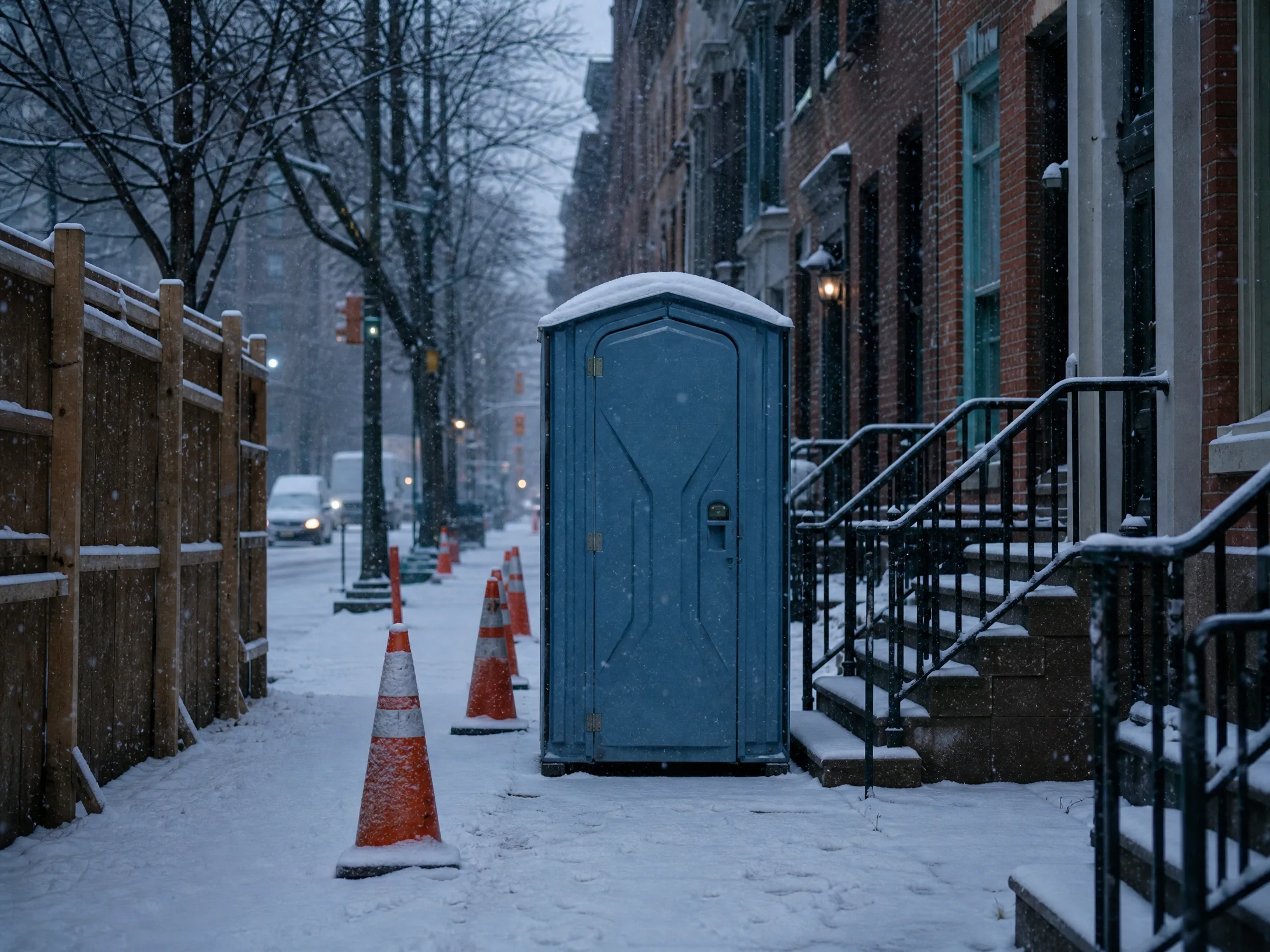
Disaster response is not the same job as a scheduled event, so we run it differently. When flooding, tornado damage, or a burst water main takes out plumbing for a household or a whole block in Meads, the clock matters more than the paperwork. We keep emergency porta potty rental capacity separate from our standing event and construction inventory so a red-tag situation does not have to wait behind a wedding order. A standard unit needs roughly 44 by 48 inches of ground space and stands about 92 inches tall, which fits most driveways, church lots, and shoulder areas even where a street is partly blocked by debris. If the location has damaged pavement or a washed-out approach, tell us before the truck rolls. We would rather reroute once than get stuck. For families displaced from a home with no working septic or well, a holding tank rental can bridge the gap until utilities are restored, and for larger relief camps we can pair units with a handwashing station rental so hygiene does not fall apart along with the plumbing. Coordinated relief sites in Meads sometimes stage near Lyndon, 1.9 miles southwest, or Anchorage, 3.0 miles east, when local lots are underwater or otherwise unusable, and we cover both without an extra trip charge built into the base rate.
What sanitation setup do relief shelters and command posts actually need?
A shelter with 40 people needs a different setup than a single flooded household, so the honest answer is: it depends on headcount and how long people will be on site. OSHA 1926.51(c) sets the baseline ratio used across the industry: one toilet for 20 workers or fewer, then one seat and one urinal per 40 workers as the count climbs past that, up to one per 50 once you hit 200 or more. Shelters are not construction crews, but that ratio is still the most reliable planning tool we have, and we use it when a city or county contact calls asking how many units to stage. Our how many porta potties do i need guide walks through the math for mixed-use sites. Command posts and staging areas also need potable water on hand under OSHA 1926.51(a)(1), and if a relief operation includes handling contaminated debris, spilled fuel, or cleanup chemicals, washing facilities fall under OSHA 1926.51(f)(1), which specifically covers exposure to paints, coatings, herbicides, and insecticides. For any accessible unit needs, ADA Standards section 213.2 requires at least 5 percent of a clustered bank to be accessible, never fewer than one, and our ADA accessible porta potty units meet that spec with a 60 inch turning circle per section 304.3.1. Larger relief camps often add a restroom trailer rental once power and water are stabilized, since trailers handle heavier daily traffic than stand-alone units.
Do you service Meads and the towns nearby during widespread outages?
Yes. When an outage or flood event hits more than one town at once, we run routes across the whole cluster instead of treating each city as a separate job. Meadow Vale sits 1.9 miles north of Meads, Rolling Hills and Langdon Place are both about 2.8 miles northwest, and Westwood and Plantation sit 3.2 and 3.6 miles west. Graymoor-Devondale is the farthest at 4.0 miles west, and we still fold it into the same delivery run when conditions allow. This matters in a disaster because relief sites often shift; a shelter opens in one town and closes two days later when power comes back, and the units need to move with it. If your event or relief operation spans a park, fairground, or church lot outside city limits, check our service areas page for full coverage, and see porta potty rental Meads for the base city page this cluster sits under. Roll-off debris removal is often part of the same call, since storm cleanup generates downed limbs, ruined drywall, and flooded belongings all at once, and a roll-off dumpster rental or construction dumpster rental delivered alongside the toilets saves a second dispatch. For sites with debris chutes or enclosed disposal setups, OSHA 1926.252 governs how that waste handling should be structured. If septic systems in the affected area have backed up from flooding, emergency septic service can usually pump the same day.
How much does emergency porta potty delivery cost compared to a normal rental?
Emergency pricing is not a separate menu item; it draws from the same standard unit bands, generally $100 to $350 a day, with rush and after-hours delivery sometimes pushing toward the higher end. See porta potty rental cost for the full breakdown before you call.
Can you set up a portable restroom bank for a shelter with no advance notice?
Usually, yes, if units are in the local fleet. We prioritize confirmed shelter and relief addresses over standing reservations during declared emergencies. Call contact or submit a request a quote with headcount and duration so we can size it fast.
What if the shelter site has no running water at all?
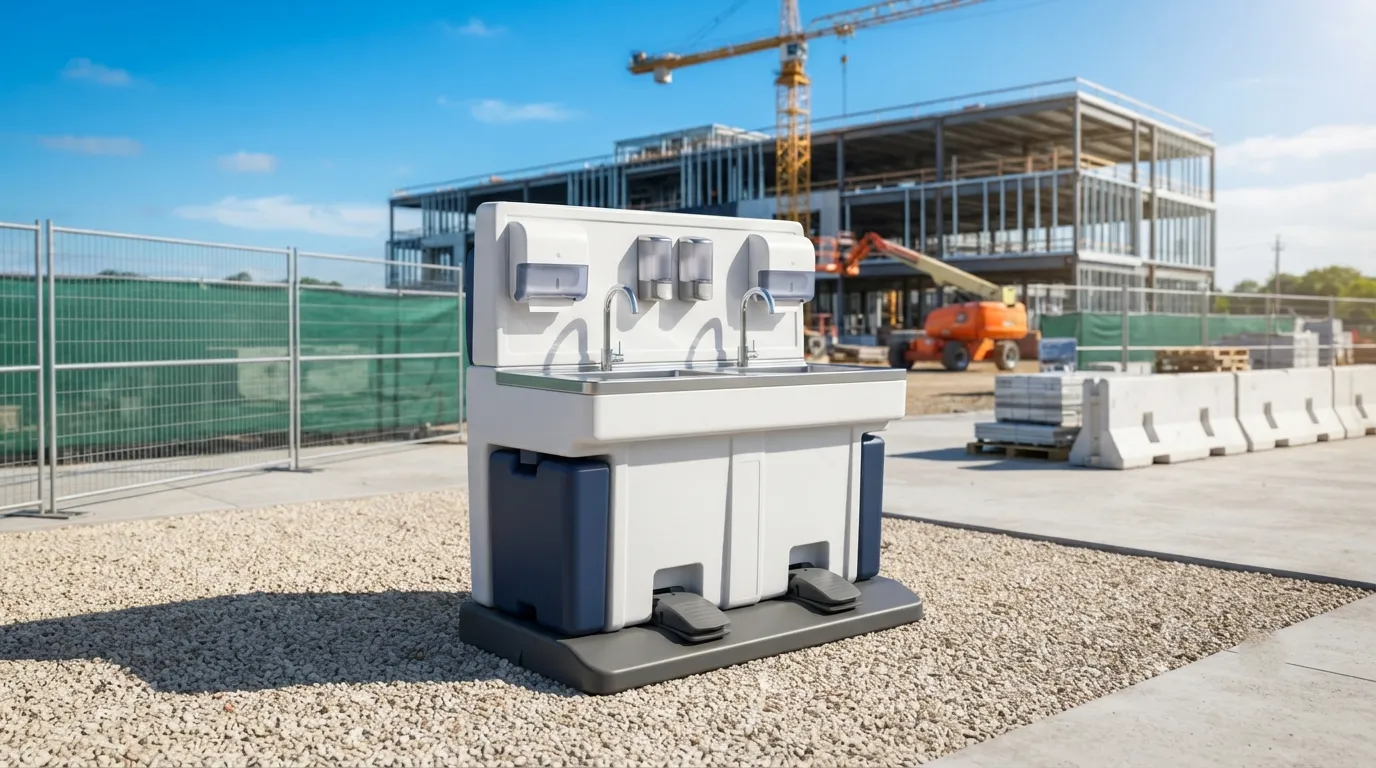
That is common in disasters. Pair a standard unit bank with a portable sink rental or handwashing station so people still have soap and water per 29 CFR 1910.141(d)(2), which requires towels or a drying device, not sanitizer alone.
How long can a disaster relief unit stay on site?
As long as the recovery takes. Some relief placements run days, others run months while housing is rebuilt. Our monthly porta potty rental rate applies once a placement passes the short-term window.
Do you provide fencing or lighting around relief sites too?
Yes, when the site needs it. A temporary fence rental around a staging area or a light tower rental for nighttime relief work can be added to the same delivery as the restrooms.
Next step
Get a delivery date
Tell us the address, the dates and the headcount. We size the order and confirm the route.