
How many porta potties does OSHA require on a jobsite?
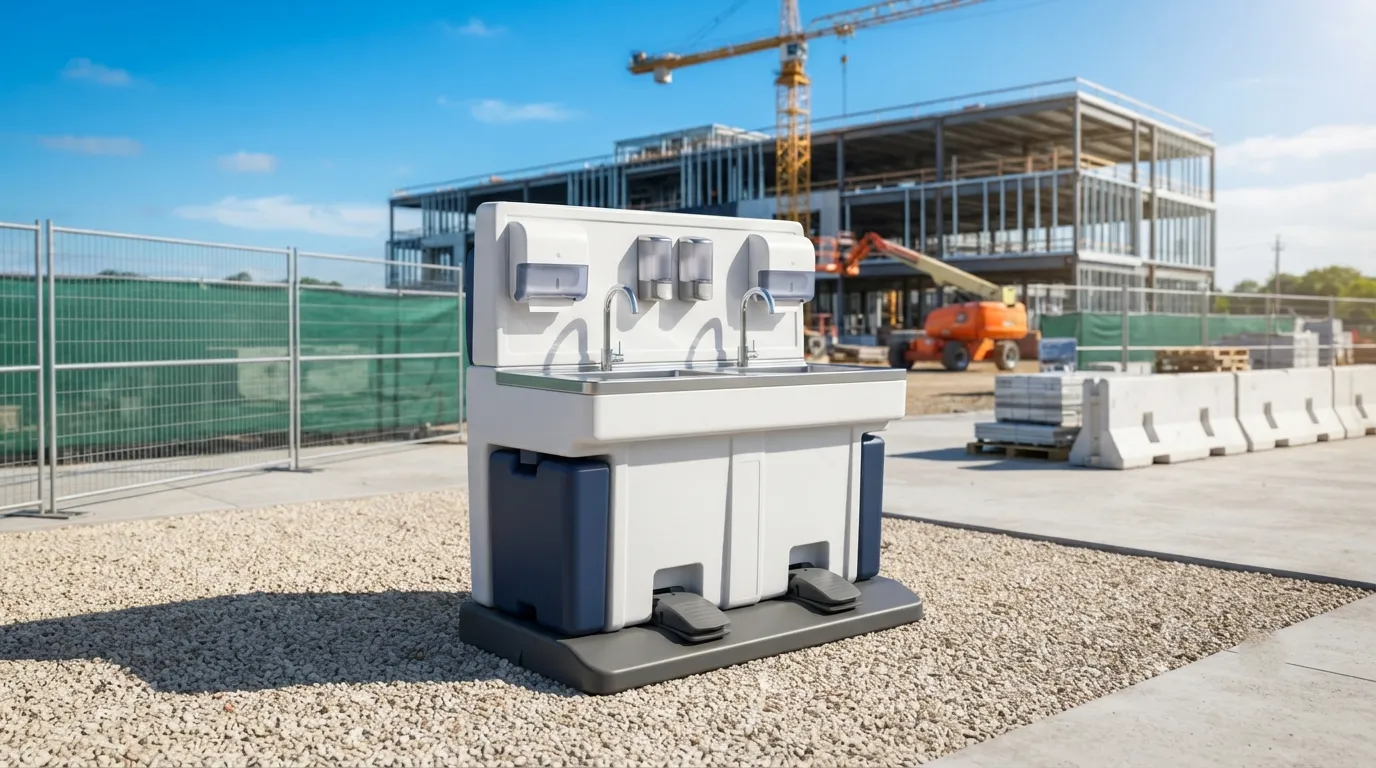
The OSHA table in 1926.51(c) is the one inspectors actually check, and it's brackets, not a flat ratio. A crew of 20 or fewer needs 1 toilet facility. Once you cross 20 workers, the rule adds 1 toilet seat and 1 urinal for every 40 people, and that ratio holds until you hit 200 workers, where it drops to 1 seat and 1 urinal per 50. A 35 person framing crew in Meads falls into the 20-to-40 bracket, so 2 units covers it on paper, though most supers add a third once porta potty lines start eating into break time. If your site also runs paint, coatings, herbicides or insecticides, OSHA 1926.51(f)(1) kicks in separately and requires washing facilities for that exposure, which is a different requirement from toilet count. Pair a handwashing station rental with your toilets and you've covered both angles. For a full breakdown of the bracket math with worked examples, see our OSHA portable toilet requirements page, or start with construction site services if you're setting up a new site from scratch.
Worked example: a 60 person Meads jobsite
Sixty workers puts you in the 40-to-200 bracket, so the ratio is 1 toilet seat and 1 urinal per 40 people. Round up, and you land at 2 combo units minimum. Most crews doing an 8 to 10 hour day add a third for turnover, since a standard porta potty rental runs about $150 a week in the typical range, and one extra unit costs far less than lost labor time waiting in line. If the crew includes anyone requiring accessible facilities, ADA Standards section 213.2 says at least 5 percent of clustered single-user units need to be accessible, with a minimum of one, so a 60 person site with several units on-site should include at least one ADA accessible porta potty. Add a service interval on top: ANSI/PSAI Z4.3 sets a baseline of one service visit per week for up to 10 users over a 40 hour week, so a 60 person crew needs service more than once weekly to keep pace.
How many porta potties do I need for an event?
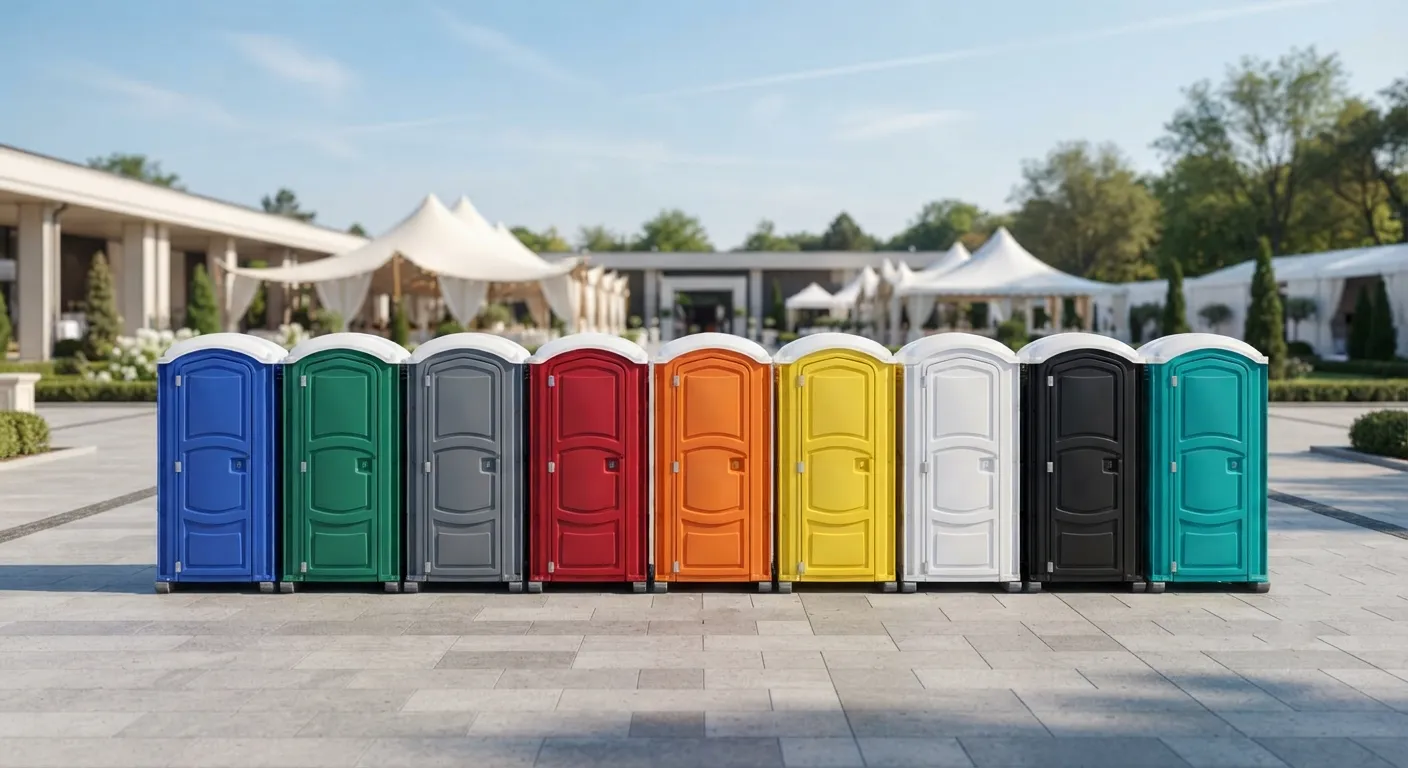
Events run on a headcount-and-hours formula, not the OSHA bracket. Here's a rough table for planning:
| Guests | Event length | Units needed |
|---|---|---|
| 50 | 4 hours | 1-2 |
| 100 | 4 hours | 2-3 |
| 150 | 4 hours | 3-4 |
| 250 | 4 hours | 4-6 |
| 100 | 8 hours | 3-4 |
| 250 | 8 hours | 6-8 |
Add units if alcohol is served, since drinking increases both frequency and urgency. A wedding at a Meads venue serving beer and wine for 150 guests over 6 hours should plan for 5 to 6 units rather than the dry-event number of 3 to 4. Multi-day festivals need daily servicing built into the quote, not just more units sitting idle. Standard units for a weekend event run in the range published on porta potty rental cost, and if you want something nicer than a standard unit, a deluxe flushable porta potty is worth pricing out for a wedding restroom rental or festival restroom rental.
Worked example: a 200 guest outdoor wedding
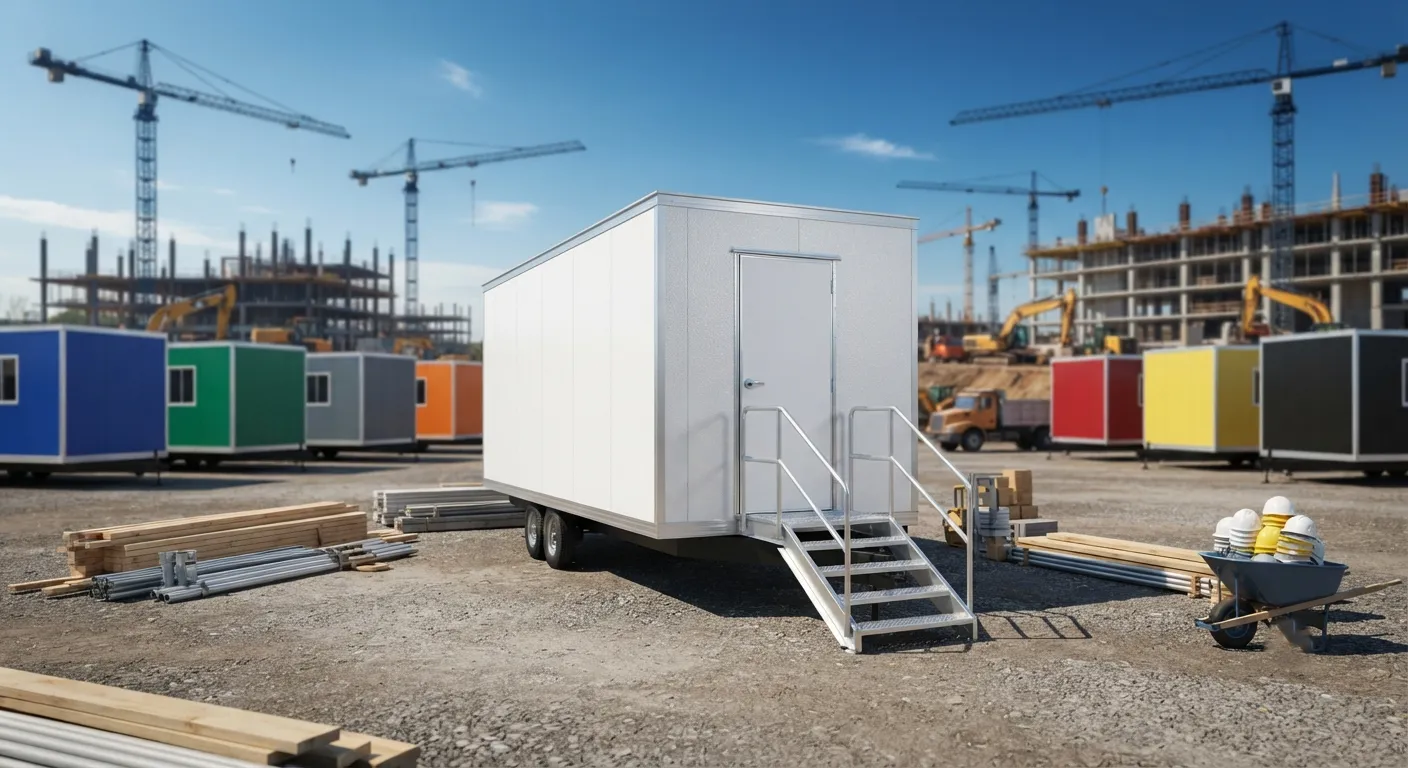
Two hundred guests over a 6 hour reception with an open bar calls for roughly 6 to 8 standard units, or fewer if you upgrade to a restroom trailer rental with multiple stalls. A 4 stall restroom trailer handles a crowd this size more comfortably than scattered single units, especially if the venue is anywhere near Lyndon, about 1.9 miles southwest of Meads, where several event spaces sit close enough that delivery logistics matter. Add at least one accessible unit per ADA Standards section 213.2, and make sure the path to it meets ADA Standards section 403.5.1, which calls for a 36 inch minimum clear width on the accessible route. If the reception runs past dark, pair the units with a light tower rental so guests aren't walking a gravel path by phone flashlight.
Do I need more porta potties if alcohol is served?
Yes. Alcohol increases bathroom frequency, and events that serve beer, wine or liquor should add roughly 10 to 20 percent more units than a dry event of the same size. A 100 guest cookout with a keg needs closer to 3 to 4 units instead of the dry-event 2 to 3. Line management matters more than raw unit count once alcohol is involved, since a long wait at one popular spot backs up the whole flow rather than distributing evenly across trailer stalls. If you're running a multi-day event, servicing frequency needs to scale too. Meads Porta Pros can walk through your guest list and pour count before you commit to a number, which beats guessing and running short on day two of a weekend festival near Meadow Vale, 1.9 miles north of Meads.
How many cubic feet and tons does a dumpster hold?
Dumpster sizing runs alongside restroom planning on most job sites, since both scale with crew size and project length. A 10 yard dumpster holds about 10 cubic yards, which works out to roughly 270 cubic feet, answering how many cubic feet in a 10 yard dumpster for anyone comparing sizes, and suits a single room cleanout or small deck tear-off. A 20 yard dumpster holds close to 540 cubic feet, which answers the how many cubic feet in a 20 yard dumpster question most callers ask, and runs about 22 feet long, which is the how many feet is a 20 yard dumpster answer, handling a kitchen remodel or a roofing job; loaded up, it typically carries 2 to 3 tons, covering how many tons does a 20 yard dumpster hold for most mixed debris jobs. A 30 yard dumpster holds around 810 cubic feet and typically takes 2 to 3 tons of mixed construction debris, which is the usual answer to how many tons can a 30 yard dumpster hold, useful for a full home renovation. A 40 yard dumpster holds roughly 1,080 cubic feet and can take 3 to 4 tons depending on what's inside it, which covers how many tons does a 40 yard dumpster hold for most crews, since heavier materials like shingles or concrete fill the weight limit long before they fill the box. Check dumpster weight limits before loading, since going over costs extra regardless of how much room is left. For exact footprints by size, see dumpster sizes and dimensions, and for what you can't toss in, check what cannot go in a dumpster.
Which dumpster size matches my project?
Match the yard size to the job, not the other way around. A bathroom gut job or garage cleanout usually fits a 10 yard dumpster rental. A roof replacement or medium remodel calls for a 20 yard dumpster rental. Whole-house renovations or new construction debris usually need a 30 yard dumpster rental, and large commercial teardowns or big landscaping jobs often call for a 40 yard dumpster rental. Weekly rates for a standard dumpster fall in the range covered on dumpster rental cost, and delivery needs about 60 feet of straight clearance behind the truck, so measure your driveway or street access before booking. If your site sits close to Rolling Hills or Langdon Place, both about 2.8 miles from Meads in slightly different directions, tight residential streets can affect where the truck can park to drop the box.
Should I combine porta potties and dumpster service on one job?
Yes, most Meads contractors book both together because delivery runs overlap and it saves a trip. A single site visit can drop a standard porta potty rental and a roll-off box on the same day, and servicing schedules line up more easily when one company handles both. If the project also needs washing facilities under OSHA 1926.51(f)(1) for paint or coating work, or a septic pump-out before a renovation starts, septic pumping service can be scheduled on the same route. For fenced-off demolition zones, a temporary fence rental keeps the dumpster and toilets contained and off a neighbor's lawn, which matters most on tighter residential lots near Anchorage, about 3.0 miles east of Meads.
How many porta potties do I need for 100 people?
For a 4 hour event, plan on 2 to 3 standard units for 100 guests, or 3 to 4 if it runs 8 hours or alcohol is served. A wedding or graduation party at this size usually adds one accessible unit per ADA Standards section 213.2.
How many toilets does OSHA require for 25 employees?
Twenty-five workers crosses the 20-person threshold in 1926.51(c), so the requirement becomes 1 toilet seat plus 1 urinal, since the ratio applies from 20 workers up to 40. Most crews round up and add a second unit for turnover during breaks.
How many tons does a 30 yard dumpster hold?
A 30 yard dumpster typically holds 2 to 3 tons of mixed debris, depending on material weight. Concrete, shingles and dirt fill the tonnage limit fast, while lighter debris like drywall or wood fills the cubic footage first.
How many cubic feet are in a 40 yard dumpster?
A 40 yard dumpster holds roughly 1,080 cubic feet. That's the largest standard roll-off size most companies offer, suited to commercial cleanouts and large-scale demolition rather than typical residential remodels.
Do I need an accessible porta potty at my event?
If you're clustering multiple single-user units, ADA Standards section 213.2 requires at least 5 percent to be accessible, with a minimum of one unit regardless of total count. Check ADA restroom requirements for placement details like route width and door clearance.
How far in advance should I book porta potties in Meads?
Book at least 1 to 2 weeks ahead for a standard job, and earlier for weekend events or holiday weekends when demand spikes across Meads and nearby towns like Westwood, 3.2 miles west. Emergency same-day service is available through emergency porta potty rental when plans change last minute.
Next step
Get a delivery date
Tell us the address, the dates and the headcount. We size the order and confirm the route.