
How Often Does a Septic Tank Need Pumping?
Every household's answer is different, but 3 to 5 years is the standard range for a residential septic tank, and tank size plus how many people live in the house are the two biggest drivers. A couple in a small house with a big tank might stretch past 5 years. A large family running a garbage disposal daily might need service closer to every 3 years. If you are not sure which end you are on, septic tank cleaning records from your last pump-out help narrow it down. Meads households on well water and private septic tend to underestimate use, especially with teenagers or extra laundry cycles. We track service history so you are not guessing next time. If your property also runs a restaurant or event kitchen, grease is a separate problem. A grease interceptor gets pumped once fats, oils, grease and solids reach 25 percent of the liquid depth, which is a different clock entirely from a residential tank. See grease trap pumping if that applies to you. For a broader look at what triggers a service call before the calendar says it's time, check septic tank warning signs.
What Are the Warning Signs of a Full Septic Tank?
Slow drains, gurgling pipes, standing water over the drain field and sewage odor near the tank are the big four. Any one of these on its own might be minor. Two or more together usually means the tank is full or the drain field is struggling. A sudden lush green patch of grass over the leach field, even in dry weather, is another tell. If you're flushing and hearing gurgling back through other drains in the house, don't wait. Call for emergency septic service rather than let it back up into the house. We serve Meads and nearby communities including Lyndon, 1.9 miles southwest, and Meadow Vale, 1.9 miles north, so response times stay short. For general septic pumping questions before you're in crisis mode, the septic pumping service overview and how often to pump a septic tank guide cover the basics.
What Does a Septic Pumping Service Include?
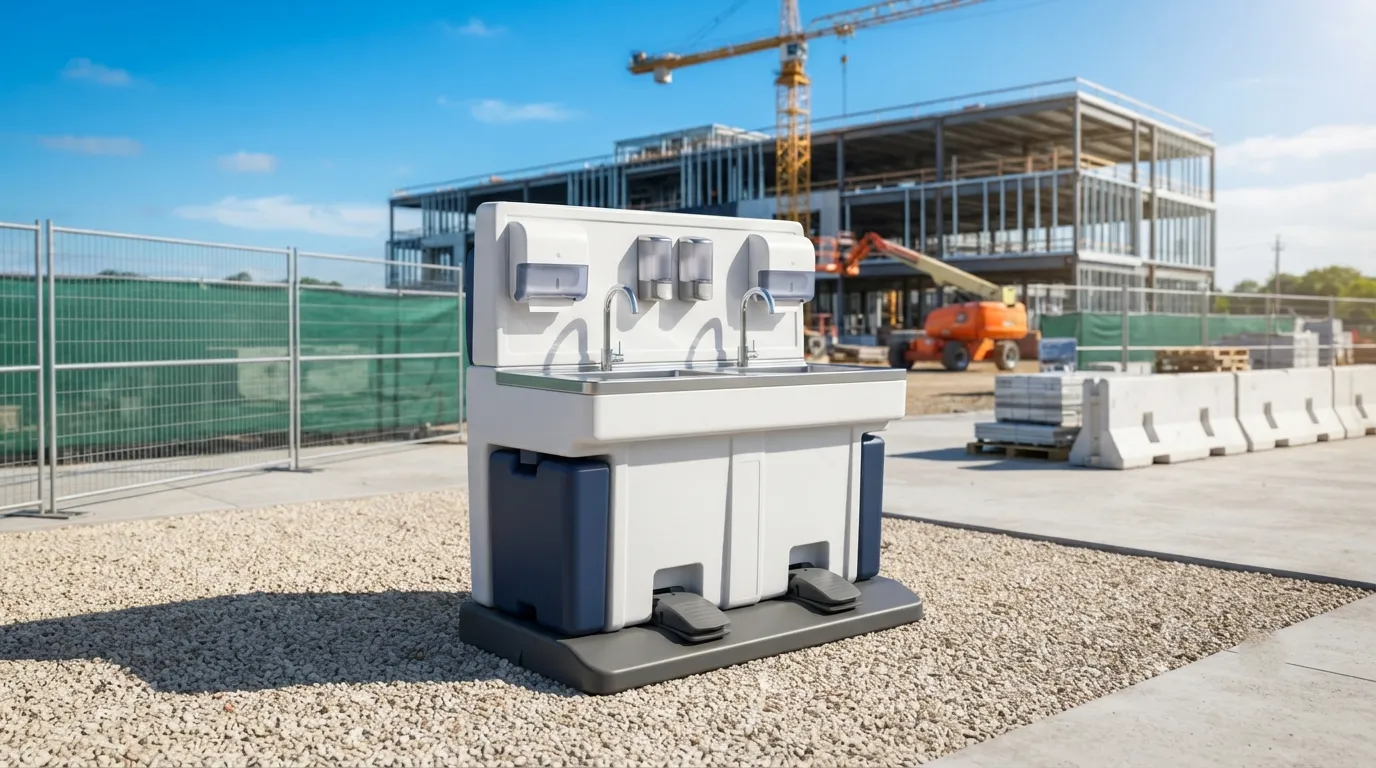
A standard visit includes locating and uncovering the tank lid, pumping the tank fully, a visual inspection of the baffles and tank walls, and a report on tank condition. We check for cracks, root intrusion and signs the drain field is failing before we leave. If the lid has been buried or paved over, that adds time, so mention it when you book. Some properties need a riser installed so future visits go faster; ask about that when scheduling. Larger properties, or those on a holding tank instead of a traditional septic system, get billed differently. If you're running a temporary holding tank on a construction site or remote property, see holding tank rental for how that service works separately from residential pumping. We also handle related needs on the same property visit when it makes sense: portable restroom rental for a renovation crew, or a handwashing station rental if OSHA 1926.51(a)(1) potable water requirements apply to workers on site.
How Much Does Septic Tank Pumping Cost?
Pricing depends on tank size, access and how full the tank is when we arrive. Here is what a standard pumping visit runs in Meads:
| Service | Price Band |
|---|---|
| Standard pumping, day rate | $150 to $300 |
| Weekend/emergency call | $50 to $150 add-on |
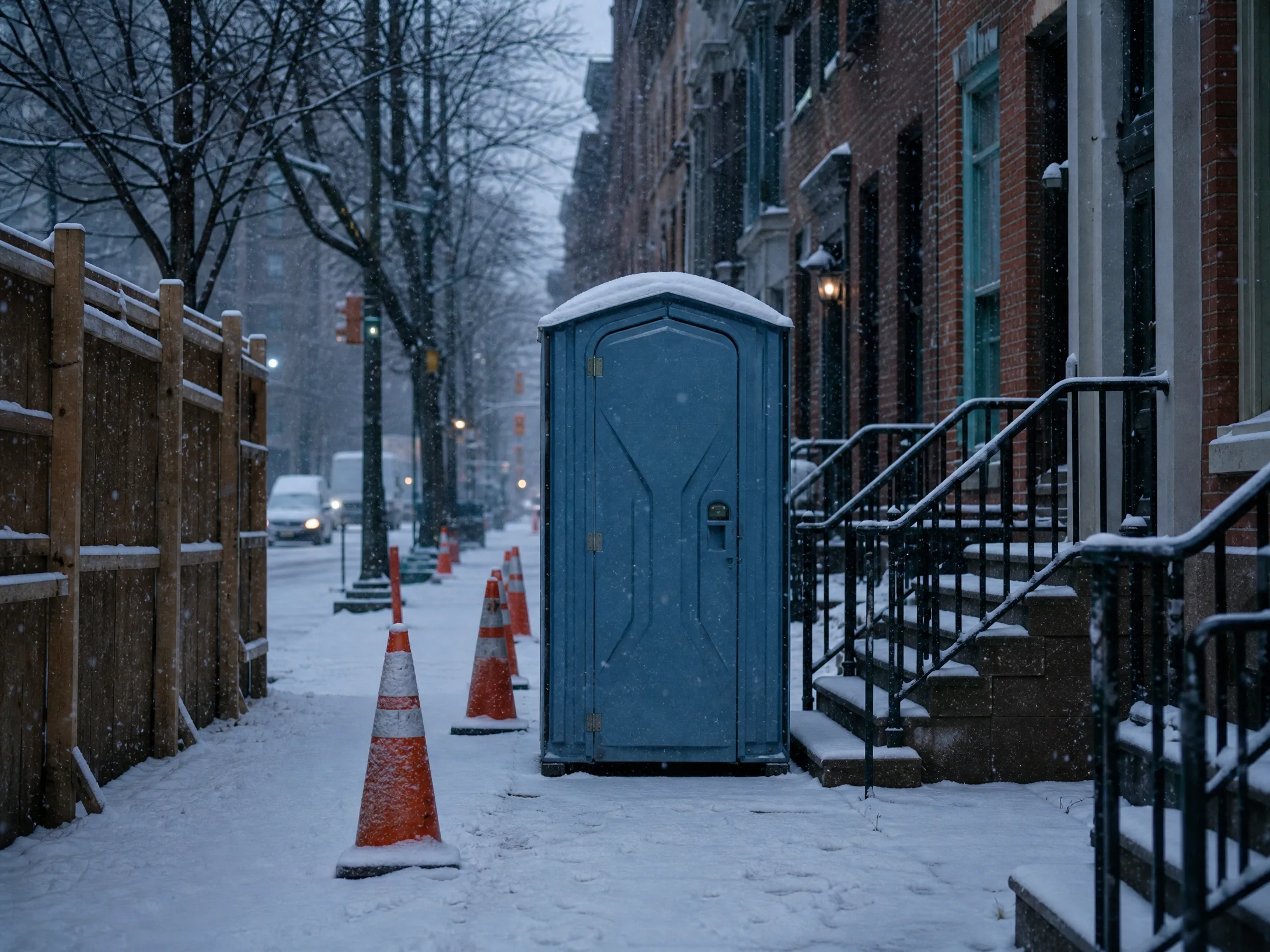
These bands reflect typical calls; unusually large tanks or difficult access can push costs higher. A 1,000 gallon septic tank pumping cost sits within the standard day rate range for most residential jobs. For a full cost breakdown by tank size and condition, see septic tank pumping cost. If you're comparing this against renting a porta john rental or standard porta potty rental for a temporary situation instead of fixing a septic issue outright, our porta potty rental cost page breaks down that side of pricing too.
What Is a Holding Tank and When Do I Need One?
A holding tank is a sealed container that stores wastewater until it's pumped out, rather than treating it on-site like a septic system does. It's the right call when a permanent system isn't available or isn't working. construction sites, remote properties without septic, and temporary events all use holding tanks. If your existing septic system has failed and repair is weeks away, a holding tank bridges the gap so the property stays usable. We deliver, service and pump holding tanks on the same schedule as septic work, and pricing follows the same day-rate structure. Pair this with a portable toilet rental or restroom trailer rental if the property needs full restroom capacity while the main system is down. For agricultural properties, farm and agricultural restrooms covers field sanitation needs separately, and OSHA 1928.110 sets requirements for potable water, toilets and handwashing for hand-labor employees at one facility per 20 workers within a quarter mile walk.
Do You Offer Emergency Septic Pumping?
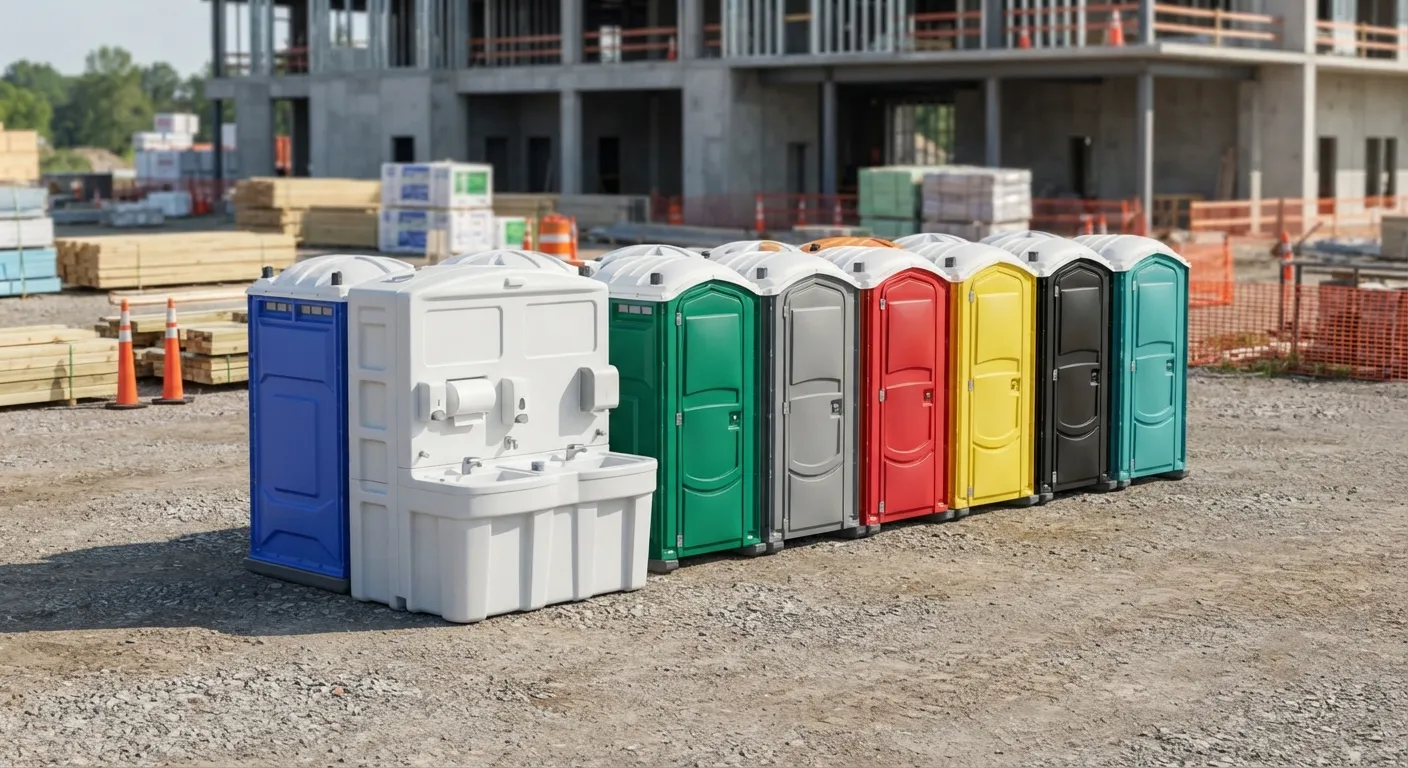
Yes. A backed-up septic system doesn't wait for a convenient time, and neither do we. Emergency and weekend calls run higher than a scheduled weekday visit, reflecting the same-day dispatch. We cover Meads and the surrounding towns we already service regularly: Rolling Hills and Langdon Place, both 2.8 miles northwest, Anchorage at 3.0 miles east, and Westwood at 3.2 miles west. If your septic emergency happens during an event or construction project, see emergency porta potty rental for backup sanitation while we handle the pumping. Our full service areas page lists every community we reach from Meads.
How much does septic tank pumping cost near me?
Most residential jobs in Meads fall in the standard day-rate range, with weekend or emergency calls adding a surcharge. Exact cost depends on tank size, access and how full the tank is. See septic tank pumping cost for the full breakdown by scenario.
How do I know if my septic tank needs pumping?
Slow drains, gurgling pipes and sewage odor near the tank are the clearest signs. A 1,000 gallon tank typically needs pumping every 3 to 5 years, but heavy household use shortens that window. Check septic tank warning signs if you're not sure.
Can I pump my own septic tank?
Not safely or legally in most cases. Septic waste requires proper disposal, and DIY pumping risks tank damage and contamination. Book a septic pumping service visit instead; our technicians inspect the tank while pumping it.
What's the difference between a septic tank and a holding tank?
A septic tank treats wastewater on-site through a drain field. A holding tank simply stores it until pumped. See holding tank rental for when a holding tank makes more sense than repairing a failed system.
How often should a 1,000 gallon septic tank be pumped?
Every 3 to 5 years for most households, though tank size and household size both shift that number. Large families or heavy garbage disposal use trend toward the 3 year end of that range.
Do you serve areas outside Meads?
Yes. We cover Lyndon, Meadow Vale, Rolling Hills, Langdon Place, Anchorage, Westwood, Plantation and Graymoor-Devondale. Visit Porta Potty Rental in Meads, KY or Meads Porta Pros for full details on service coverage.
Next step
Get a delivery date
Tell us the address, the dates and the headcount. We size the order and confirm the route.